PREFABRICATION
& INNOVATION
01
PREFABRICATION
Prefabrication & Innovation at Briggs Electric
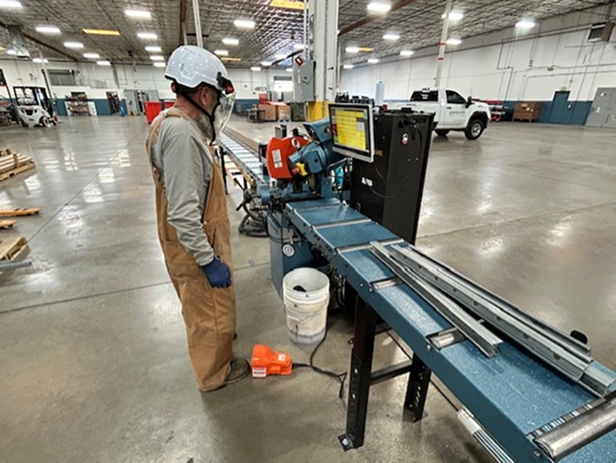
At Briggs, innovation powers every phase of the build. Our In-house Prefabrication Automation Technology – fully integrated with BIM – translates model data into field-ready with clean, consistent precision. By minimizing manual work, we reduce waste, rework, and field errors. The result: more accurate installs and a proven edge on complex, fast-track projects.
02
CAPABILITIES
What We Prefabricate
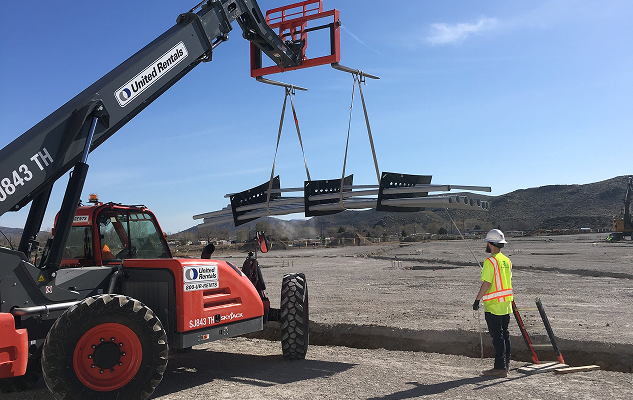
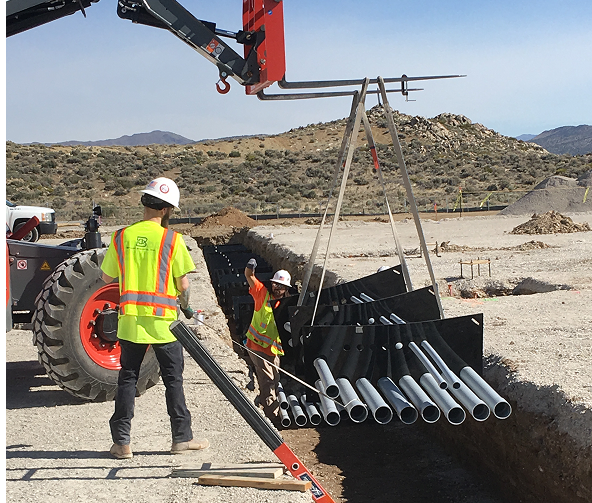
Our prefab process supports a safer, more organized jobsite by minimizing material handling, reducing congestion, and lowering the risk of injury. We collaborate closely with our Field leadership and in-house BIM/VDC operators to develop detailed prefab plans and material lists for each project, including:
- Power supply assemblies
- In-wall rough-in kits
- Fixture whips and connection points
- Custom conduit bends
- Material kits aligned to VDC layouts
03
PREFAB AUTOMATION TECHNOLOGY
Technology That Delivers in the Field
All prefabrication takes place in our controlled shop environment to ensure quality, accuracy, and consistency—before anything hits the field. Using our advanced machinery, we manufacture high-quality assemblies at scale, optimized for labor productivity and ease of install. We follow LEAN construction practices to reduce waste and packaging, and our process supports LEED goals through efficient material use and delivery.
50,000+
Miles of Conduit Ran
100%
More Efficient BIM to Bench
100%
Shop-Built Assemblies QA Checked Before Delivery
1/16”
Tolerance with BIM Model
04
IMPACT
Smarter Builds Start Before the Jobsite
At Briggs Electric, prefabrication is a strategic advantage—not just a delivery method. Integrated with BIM and planned early during preconstruction, our approach streamlines schedules, enhances coordination, and ensures the field is ready before boots hit the ground.
By delivering model-driven, field-ready components, we reduce jobsite uncertainty, accelerate installation, and drive better outcomes across every phase of the build. On complex, fast-track projects, it’s the difference between staying on schedule—or falling behind.